

Hypoxia, Hypoxemia and Oxygen Therapy
Oxygen therapy
Lung diseases such as sarcoidosis impair a person's ability to breathe normally. This reduces the amount of oxygen delivered to the body. Symptoms may include fatigue, weight loss, reduced appetite, dizziness, weakness, and shortness of breath during exertion or even at rest. Low blood oxygen levels often lead to a condition called hypoxemia.
The values are measured with a device that measures oxygen saturation (SpO₂).
Oxygen therapy uses compressed oxygen, a liquid oxygen container (oxygen cylinder), or an oxygen concentrator to deliver extra oxygen directly to the patient's lungs. The oxygen is delivered through the airways by means of a face mask or a tube inserted into the airways.

This treatment is not a cure for sarcoidosis. It is a safe and effective therapy that can help relieve the symptoms described above and slow or prevent progressive organ damage.
A lack of haemoglobin affects every organ and therefore the entire body.
Oxygen saturation (sO₂) is the percentage of oxygen in the blood. Among other things, it provides information about lung function and how effectively oxygen is transported in the blood. Oxygen saturation can be measured either outside the body by pulse oximetry or invasively through a blood gas analysis.
More about oxygen saturation

Oxygen saturation meters can be bought as standalone devices or as part of another device.
Most often, these devices are integrated into mobile phones or smartwatches.
The measurement technique is simple!
The measurement is taken on the index finger (digitus index), where a capillary blood vessel lies directly beneath the skin. When red blood cells have enough haemoglobin, active oxygen exchange takes place and can be seen in the pulsation of the capillaries.
Using an optical beam, whose light is reflected back from the capillaries to the sensor, the device measures the number of these pulses per unit of time. Results are given as a percentage; the normal range is 92% to 100%.
Side effects of oxygen therapy
Long-term oxygen therapy can dry out the airways, causing irritation and mild inflammation. This can be treated with products such as saline solutions and gels that moisten the airways.
Supplemental oxygen can also slow the breathing rate. This may mean that a higher oxygen dose is needed or, in the worst case, can lead to death. Patients should always seek medical advice before changing the amount or dose of oxygen therapy they use.
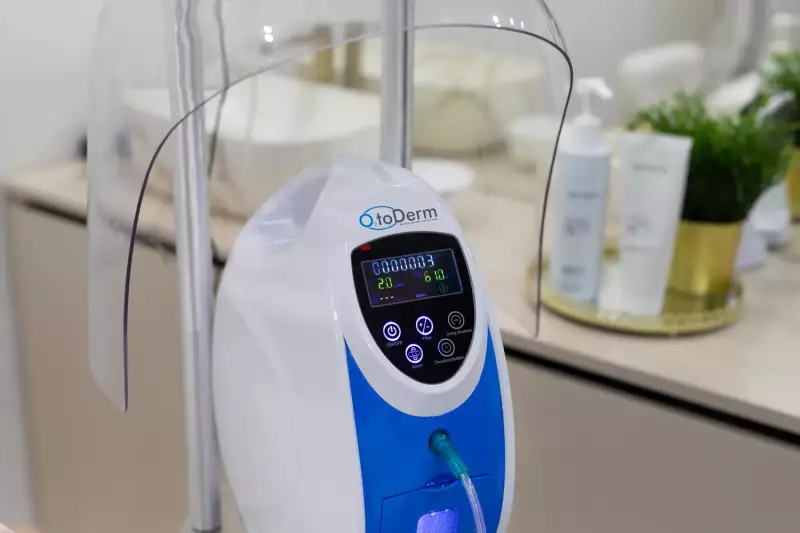
Warning:
- An oxygen device should not be used overnight because of the risk of suffocation. During sleep, the body receives enough oxygen, and the lungs may stop functioning, including the removal of carbon dioxide, which can lead to suffocation.
- Because of the risk of explosion, keep oxygen equipment away from ignition sources such as stoves, cigarettes and sparks from faulty electrical sockets.
Dino-Josip Ključarić, Mag. theol.