Sarcoidosis and Long-Term Inflammation: Effects on the Heart
Sarcoidosis is a chronic systemic inflammatory disease. Although the lungs and lymph nodes are most often affected, persistent inflammation may also involve the nervous system, joints, skin and heart.
Inflammatory mediators such as TNF-alpha, IL-2 and IL-6 can affect blood vessels, microcirculation and autonomic regulation of the heart. Small fiber neuropathy and autonomic dysfunction may contribute to tachycardia, changes in heart-rate variability, orthostatic hypotension and chest discomfort.
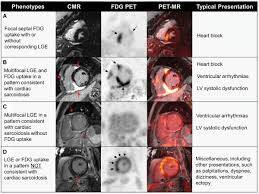
Polyneuropathy, joint and tendon inflammation and skin disease can reduce physical activity and increase systemic stress. These indirect effects may add to cardiovascular risk, while direct cardiac sarcoidosis can cause conduction block, ventricular arrhythmias, heart failure and sudden cardiac death.
People with long-standing systemic inflammation, palpitations, unexplained fatigue, dizziness or symptoms of heart failure may benefit from proactive cardiac assessment. ECG, echocardiography, cardiac MRI, PET and laboratory tests are selected according to the clinical situation.
A multidisciplinary team involving cardiology, pulmonology, neurology, rheumatology and immunology can help identify complications early and guide treatment. This information does not replace an individual medical examination.